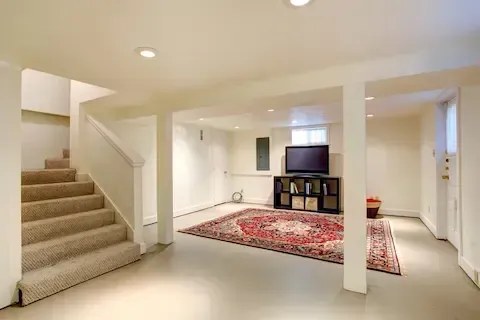
Basement Finishing in Eden Prairie, MN: Full Guide
Understanding Basement Finishing Requirements in Eden Prairie
Transforming your basement into functional living space requires careful planning and adherence to Minnesota building codes. Eden Prairie homeowners must navigate specific requirements that ensure safety, structural integrity, and long-term value. The process involves coordinating multiple systems including electrical, plumbing, HVAC, and moisture control while meeting Hennepin County permit requirements.
Minnesota's harsh climate presents unique challenges for basement finishing projects. Temperature fluctuations, moisture from snow melt, and soil conditions common in the Eden Prairie area require specialized approaches to insulation, vapor barriers, and drainage systems. Understanding these factors upfront prevents costly remediation later.
Professional Basement Finishing ensures compliance with all local codes while maximizing your investment. The complexity of coordinating multiple trades, obtaining proper permits, and meeting inspection requirements makes expert guidance invaluable for most homeowners.
Minnesota Building Code Requirements for Basement Finishing
Minnesota Residential Code establishes strict guidelines for basement conversions. Ceiling height requirements mandate a minimum of 7 feet in habitable spaces, though some areas like bathrooms and hallways may have slightly lower minimums. This requirement often necessitates careful planning around existing ductwork, plumbing, and structural elements.
Egress window requirements represent one of the most critical safety considerations. Any bedroom or habitable space below grade must have an emergency egress opening with specific size requirements. The opening must be at least 5.7 square feet with minimum width and height dimensions. This often requires cutting new window wells and installing larger windows, adding significant cost to projects.
Electrical systems must meet current National Electrical Code standards, including GFCI protection in bathrooms and areas prone to moisture. Basement electrical work typically requires upgrading panel capacity and installing new circuits dedicated to the finished space. All electrical work requires permits and professional installation in Eden Prairie.
Insulation and Energy Code Compliance
Minnesota's energy code requires specific R-values for basement insulation. Foundation walls need R-10 continuous insulation or R-13 cavity insulation. Proper installation prevents condensation issues while maintaining energy efficiency. Vapor barrier placement is critical and must follow specific guidelines to prevent moisture problems.
Rim joist insulation often gets overlooked but significantly impacts comfort and energy costs. These areas require careful air sealing and insulation to prevent heat loss and moisture infiltration. Professional installers understand the nuances of achieving code compliance while maintaining structural integrity.
Moisture Control and Waterproofing Strategies
Eden Prairie's clay soils and seasonal moisture variations make waterproofing essential for any basement finishing project. Pre-existing moisture issues must be addressed before installing any finishes. Signs include water stains, efflorescence, musty odors, or visible mold growth.
Interior drainage systems may be necessary if exterior waterproofing proves insufficient. French drains, sump pumps, and drainage membranes work together to manage groundwater pressure. These systems require careful design to handle Eden Prairie's spring snow melt and heavy rainfall periods.
If you are seeing dampness now, our guide to Eden Prairie basement moisture issues covers how to identify the source before you finish.
Proper ventilation prevents humidity buildup that can damage finishes and create health concerns. Mechanical ventilation may be required to meet Minnesota code requirements for air quality. Dehumidification systems help maintain optimal humidity levels year-round.
Vapor Barrier Installation
Vapor barriers must be installed correctly to prevent condensation within wall assemblies. Minnesota's climate requires careful consideration of vapor drive directions throughout different seasons. Improper barrier placement can trap moisture and cause significant damage to framing and insulation.
Continuous air barriers work in conjunction with vapor barriers to prevent air leakage. All penetrations must be properly sealed using appropriate materials and techniques. This includes areas around electrical boxes, plumbing penetrations, and HVAC components.
Permit Process and Inspection Requirements in Hennepin County
Hennepin County requires permits for most basement finishing projects involving electrical, plumbing, or structural modifications. The permit application process begins with detailed plans showing proposed layouts, electrical plans, and structural modifications. Plan review typically takes 2-3 weeks depending on project complexity.
Our walkthrough of Eden Prairie basement finishing codes and permits lists every inspection stage and the egress dimensions the city enforces.
Multiple inspections occur throughout the construction process. Rough-in inspections cover framing, electrical, plumbing, and HVAC installations before insulation and drywall installation. Final inspections verify code compliance and proper completion of all work.
Working with experienced contractors familiar with Eden Prairie's permit process streamlines approvals and reduces delays. Contractors handle permit applications, coordinate inspections, and address any code compliance issues that arise.
Timeline Considerations
Permit processing, material delivery, and inspection scheduling all impact project timelines. Most basement finishing projects in Eden Prairie take 6-12 weeks depending on scope and complexity. Weather conditions can affect material delivery and site access during winter months.
Scheduling flexibility helps accommodate inspection availability and potential weather delays. Planning projects during warmer months often provides better working conditions and more predictable timelines.
Common Design Challenges and Solutions
Low ceiling heights present the most common design challenge in Eden Prairie basements. Creative solutions include recessed lighting, strategic beam treatments, and careful furniture selection to maximize perceived space. Avoiding large light fixtures and maintaining clean sight lines helps basements feel more spacious. Many of the same design challenges that come up in Eden Prairie basements also surface during interior remodeling for Bloomington homes, where housing stock from the same era shares similar foundation depths, ceiling heights, and original framing patterns.
Natural light limitations require thoughtful artificial lighting design. Combining ambient, task, and accent lighting creates comfortable, functional spaces. Light-colored finishes reflect available light and create brighter environments.
Storage integration becomes crucial in finished basements. Built-in solutions maximize usable floor space while providing necessary storage capacity. Under-stair storage, built-in entertainment centers, and closet systems help maintain organization.
Mechanical System Integration
Existing furnaces, water heaters, and utility connections often occupy significant basement space. Design solutions include enclosing utilities behind removable panels, creating utility closets, or relocating equipment when possible. Access for maintenance must be preserved while minimizing visual impact.
HVAC modifications ensure comfortable temperatures in finished spaces. Existing ductwork may require extensions or modifications to provide adequate heating and cooling. Proper system sizing prevents comfort issues and excessive energy costs.
Material Selection for Minnesota Climate
Flooring choices must withstand potential moisture and temperature fluctuations common in Minnesota basements. Luxury vinyl plank, ceramic tile, and engineered hardwood perform well in below-grade applications. Carpet requires careful moisture management and may not be suitable in all situations.
Wall finishes should allow moisture movement while providing durability. Cement board backing for tile areas, mold-resistant drywall, and proper priming help prevent moisture-related problems. Paint selection includes moisture-resistant formulations designed for basement applications.
Our Eden Prairie kitchen remodeling guide covers material selection principles that also apply to basement finishing projects, particularly regarding durability and moisture resistance.
Insulation Material Options
Fiberglass batts, rigid foam, and spray foam each offer advantages for basement applications. Rigid foam provides continuous insulation and vapor barrier properties but costs more than fiberglass. Spray foam offers excellent air sealing but requires professional installation and proper ventilation during application.
Choosing appropriate insulation depends on existing conditions, budget constraints, and performance goals. Professional assessment helps determine the most effective approach for specific situations.
Cost Factors and Budget Planning
Basement finishing costs in Eden Prairie vary significantly based on scope, finishes, and existing conditions. Basic finishing ranges from $25-40 per square foot while high-end projects can exceed $75 per square foot. Structural modifications, extensive electrical work, and luxury finishes increase costs substantially.
Unexpected conditions often impact budgets. Hidden moisture issues, structural problems, or outdated electrical systems require additional investment. Contingency planning of 15-20% helps accommodate unforeseen complications.
Phased completion allows homeowners to spread costs over time while ensuring proper sequencing of work. Completing rough-in work first establishes the foundation for future finishing phases.
Return on Investment Considerations
Finished basements typically recoup 70-75% of investment costs in Eden Prairie's real estate market. Factors affecting return include quality of execution, functionality of design, and market conditions at time of sale. Professional finishing generally provides better returns than DIY approaches.
Adding bedrooms or bathrooms increases value more than recreational spaces alone. Egress requirements and proper permits become essential for bedrooms that contribute to home value.
Professional Considerations and Contractor Selection
Basement finishing requires coordination of multiple trades including electrical, plumbing, HVAC, and general construction. Experienced general contractors manage this coordination while ensuring code compliance throughout the process. Their relationships with local inspectors and suppliers streamline project completion.
Licensing verification ensures contractors meet Minnesota state requirements. Liability insurance and worker's compensation protect homeowners from potential liability during construction. References from recent Eden Prairie projects provide insight into work quality and customer satisfaction.
Detailed contracts specify materials, timelines, and change order procedures. Clear communication about expectations prevents misunderstandings and helps projects stay on track.
Professional basement finishing transforms underutilized space into valuable living areas while ensuring safety and code compliance. The complexity of Minnesota building requirements and Eden Prairie's unique climate considerations make expert guidance essential for successful projects. Proper planning, quality execution, and attention to moisture control details create basement spaces that enhance your home's value and functionality for years to come.
