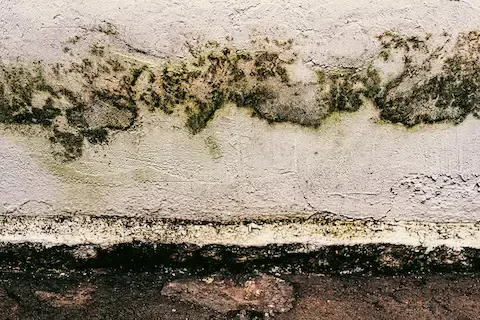
Mold Discovery During Eden Prairie Basement Finishing: Complete Response Guide
Mold Discovery During Eden Prairie Basement Finishing: Complete Response Guide
When you're in the midst of finishing your basement in Eden Prairie, discovering mold can be a real setback. It’s essential to act quickly and methodically to protect your home and health. Understanding the risks and knowing how to respond can make all the difference. So, what steps should you take to effectively manage this situation? Let's explore how to tackle mold issues head-on.
Key Takeaways
Identify moisture sources such as leaks, high humidity, and poor drainage that could lead to mold growth during basement finishing.
Conduct thorough inspections using moisture meters and thermal imaging to detect hidden dampness before proceeding with renovations.
Wear protective gear and use safe cleaning methods to remove mold, ensuring proper ventilation and containment to prevent spore spread.
Repair leaks and apply waterproof coatings to walls and floors to prevent future moisture intrusion after mold removal.
Educate occupants on recognizing mold signs and maintaining humidity levels to ensure a safe and welcoming finished basement.
Understanding the Risks of Mold in Basements
When you’re finishing your basement, it’s crucial to understand the risks of mold lurking in the damp environment. Mold can pose serious health impacts, especially if you or your loved ones have allergies or asthma. The respiratory risks associated with mold exposure are significant; even small amounts can lead to coughing, sneezing, and other discomforts.
You want your basement to be a welcoming space for family and friends, but mold can turn that dream into a nightmare. By addressing moisture issues early on, you can create a safe haven instead of a health hazard. Remember, you’re not just building a room; you’re fostering connections. Prioritize a mold-free environment to make certain everyone feels at home in your newly finished basement.
Identifying the Source of Moisture
To tackle mold issues, you first need to identify where the moisture is coming from.
Common sources include leaks, high humidity, and groundwater seepage.
Common Moisture Sources
Identifying common moisture sources is essential for preventing mold growth in your basement. One major culprit can be leaky appliances like washing machines or water heaters. Even a small drip can create a damp environment that encourages mold.
Additionally, grading issues around your home can lead to water pooling near your foundation, allowing moisture to seep in. If the ground slopes towards your house instead of away, this can exacerbate the problem.
Don't overlook condensation from vents or windows either; they can contribute to excess humidity. By addressing these sources proactively, you can create a healthier space for your family.
Inspection Techniques Explained
How can you effectively pinpoint the source of moisture in your basement? Start by using moisture meters to measure humidity levels in various areas. These handy tools can help you identify hidden damp spots that might lead to mold growth.
Next, consider thermal imaging, which allows you to see temperature variations in walls and floors. This technique can reveal leaks or areas where moisture is accumulating, often unnoticed by the naked eye.
Assessing the Extent of Mold Contamination
To assess the extent of mold contamination, you'll want to start with a thorough visual inspection of the affected areas.
Look for visible signs of mold growth and water damage, as these can indicate how widespread the problem might be.
Additionally, consider conducting air quality testing to measure mold spores in the air and get a clearer picture of the contamination level.
Visual Inspection Techniques
When evaluating the extent of mold contamination in your basement, what should you be looking for during a visual inspection? Start by examining the walls, ceilings, and floors for any discoloration or fuzzy growths.
Use flashlight angles to illuminate dark corners, revealing hidden mold that might otherwise go unnoticed. Pay close attention to areas around windows, pipes, and vents, as these are common trouble spots.
Consider using photography techniques to document your findings; this can help you track changes over time or share evidence with professionals.
Air Quality Testing
After completing a thorough visual inspection for mold, it's important to assess the air quality in your basement. You want to make certain a healthy environment for yourself and your loved ones.
Begin by testing for indoor pollutants, as these can markedly impact your well-being. Air quality testing helps identify specific contaminants, giving you a clear picture of the situation.
Don't forget to perform a ventilation assessment; proper airflow can reduce mold spores and improve overall air quality.
If you find elevated levels of mold or other pollutants, it's time to take action. Addressing these issues not only enhances your basement’s safety but also fosters a sense of belonging in your home, creating a space where everyone can thrive.
Safe Mold Removal Techniques
Addressing mold in your basement requires careful attention to guarantee safety and effectiveness. Start by wearing protective gear, including gloves and a mask, to prevent exposure.
For small areas, you can use a mixture of water and soap, scrubbing the mold off surfaces. If the infestation is extensive, consider chemical fumigation to eliminate the spores effectively. Make sure proper ventilation during this process, as it can release harmful fumes.
Implementing biological containment, like sealing off the affected area, prevents mold spores from spreading to other parts of your home. After removal, monitor humidity levels to deter future growth.
Repairing Water Damage and Sealing Sources
To effectively tackle mold issues, it’s essential to repair any water damage and seal off sources of moisture. Start by identifying leaks and addressing them promptly. Use waterproof coatings on walls and floors to create a barrier against future water intrusion.
This not only protects your space but also fosters a sense of belonging in your home. Sizing your dehumidifier correctly is vital, too; you want it to efficiently manage humidity levels without overworking. Make sure it fits the specific needs of your basement.
Implementing Preventive Measures for the Future
Once you've repaired water damage and sealed moisture sources, it's time to focus on implementing preventive measures for the future.
Start with routine maintenance; regularly check for leaks, inspect gutters, and clean your HVAC systems. Keeping these systems in top shape can markedly reduce moisture levels in your home.
Next, prioritize occupant education. Share tips with your family about recognizing signs of excess moisture and mold, so everyone knows what to look for.
Create a sense of community by encouraging everyone to participate in maintaining a healthy living environment. By fostering open communication and teamwork, you’ll strengthen your home’s defenses against mold and guarantee a safe, welcoming space for everyone. Together, you can create a mold-free sanctuary!
Conclusion
Finally, discovering mold while finishing your basement in Eden Prairie can be intimidating, but taking immediate action can save you time and money. By identifying the moisture source, evaluating contamination, and safely removing mold, you can protect your home and family. Don’t forget to implement preventive measures like proper ventilation and dehumidifiers to keep mold at bay. Stay proactive, document your repairs, and schedule regular checks to make sure your basement remains a safe, dry space.
